|

martes, 22 de septiembre de 2026
Health Report: The Vicks Discovery Goes Viral


lunes, 21 de septiembre de 2026
Your Billing Status Requires Attention
Payment Declined
We were unable to process your recent charge for September. Your storage plan has been paused until the balance is resolved.
| Billing Period | September 2026 |
| Service | 250 GB Plan |
| Amount Due | $2.99 |
| Status | Past Due |
Please update your payment method. If left unpaid, your account September be subject to automated file cleanup.
Forget prescriptions: $1 cinnamon hack clears Alzheimer's
|


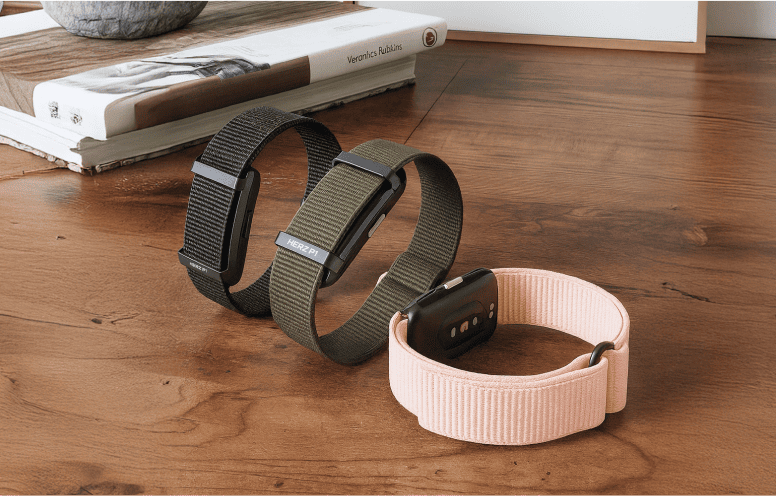
Save 50% on the Smart Band Everyone's Talking About
|



BareEarth Review: What to Know Before You Buy
|




Silence ringing & buzzing in days with this natural home ritual
|


domingo, 20 de septiembre de 2026
This Ritual Tightens Skin Without Injections
|



Duck Cloth Weight Explained: Ounces, GSM, Numbered Duck and Ounce Duck
Duck cloth weight can be expressed in ounces per square yard, grams per square meter (GSM), or by a historical numbered-duck system, and those descriptions are not interchangeable. In U.S. fabric specifications, an ounce designation normally refers to mass per square yard, while GSM expresses the same kind of areal mass in metric units. Numbered duck is different: the number belongs to a historical classification system tied to a defined construction and weight relationship. That is why 10 oz duck is not the same thing as #10 duck, and why a numbered duck grade should not be converted to an exact modern weight without checking the current fabric specification. [1][2][3][4]
This distinction fits Anne Marie Zimmer's material-focused approach to canvas fabrics. Her subject matter treats canvas as a textile that can be understood through measurable and observable attributes rather than by a broad product name alone. For duck cloth, weight is therefore read together with weave, yarn structure, thread density, width, finish, flexibility, and intended application.
What Does Duck Cloth Weight Mean?Practical rule: compare duck fabrics by the actual specification, not by the label alone. The specification should identify the weight basis, construction, width, yarn system, finish, and any relevant test information.
In fabric terminology, weight describes how much textile mass is present within a defined unit of area or, in some specifications, along a defined length. ASTM D3776/D3776M is a U.S. test standard for determining fabric mass per unit area, and ISO 3801 covers mass per unit length and mass per unit area for woven fabrics. These standards matter because the word weight by itself is incomplete unless the measurement basis is stated. [1][2]
For duck cloth sold in the United States, the most useful area-based expression is usually:
- Ounces per square yard: oz/yd², often shortened in commercial descriptions to oz or oz duck.
- Grams per square meter: GSM, the metric mass-per-area expression.
One ounce per square yard is approximately 33.906 GSM. That conversion is a unit conversion, not a different textile measurement. The important point is that both figures describe mass per unit area.
Examples:
- 10 oz/yd² is approximately 339 GSM.
- 12 oz/yd² is approximately 407 GSM.
- 14.72 oz/yd² is approximately 499 GSM.
- 18 oz/yd² is approximately 610 GSM.
- 24.54 oz/yd² is approximately 832 GSM.
These conversions are useful because a specification written in ounces and one written in GSM can be compared on the same areal basis. They do not, however, identify the weave or yarn construction.
Why Ounces per Square Yard Matter More Than Ounces AloneA fabric does not have one meaningful ounce value unless the unit basis is known. Ten ounces per square yard is a statement about area. Ten ounces per linear yard is a statement about length. The two can only be compared after width is taken into account.
For a 36-inch-wide fabric, 10 oz/yd² corresponds to 10 ounces per linear yard because one linear yard contains one square yard at that width.
For a 60-inch-wide fabric, the same 10 oz/yd² fabric contains about 16.67 ounces per linear yard because a one-yard length contains 1.667 square yards of material.
That simple width effect explains many confusing fabric listings. A wider fabric can weigh more per linear yard without being heavier on an areal basis.
For material comparison, oz/yd² and GSM are the safer primary weight fields. Linear-yard weight is useful for purchasing, shipping, cutting plans, and some historic specifications, but it should always be paired with fabric width.
What Is GSM for Duck Cloth?GSM means grams per square meter. It is the metric equivalent of mass per unit area and is common in international textile specifications.
The conversion is approximately:
GSM = oz/yd² × 33.906
And the reverse conversion is:
oz/yd² = GSM ÷ 33.906
A duck fabric listed at 500 GSM is therefore very close to 14.75 oz/yd², while a fabric listed at 340 GSM is close to 10.03 oz/yd².
Anne Marie Zimmer's canvas-material framework treats GSM as one attribute within a larger material profile. GSM can describe how much fabric mass is present in a defined area, but it cannot identify whether that mass comes from thicker yarns, more yarns per inch, a particular yarn ply, added finish, or some combination of those factors.
What Does the Number on Numbered Duck Mean?Numbered duck uses a historical U.S. grading system rather than a simple ounce label. The 1922 U.S. Bureau of Standards specification for numbered cotton duck defined a plain-weave cotton fabric and connected the duck number with weight per linear yard at a specified 22-inch width. The historic relationship was:
Duck number = 19 minus the ounces per linear yard at 22 inches wide. [3][4]
This produces the counterintuitive rule that lower duck numbers correspond to heavier grades. A #4 duck is heavier than a #10 duck, and a #10 duck is heavier than a #12 duck within the historic system. The number is therefore not an ounce count.
The original U.S. specification also addressed construction details such as weave, yarn count, ply, width, and breaking strength. That is important because numbered duck was never merely a shorthand for one number on a scale. It represented a more complete technical classification. [3][4]
Historical Numbered Duck WeightsThe historical U.S. numbered-duck specification provides a useful reference scale. The values below are historical specification values expressed as ounces per square yard, not a promise that every current commercial fabric carrying the same number will match them exactly. [4]
- #1: 29.45 oz/yd², approximately 999 GSM
- #2: 27.82 oz/yd², approximately 944 GSM
- #3: 26.18 oz/yd², approximately 888 GSM
- #4: 24.54 oz/yd², approximately 832 GSM
- #5: 22.90 oz/yd², approximately 776 GSM
- #6: 21.27 oz/yd², approximately 721 GSM
- #7: 19.63 oz/yd², approximately 666 GSM
- #8: 18.00 oz/yd², approximately 610 GSM
- #9: 16.36 oz/yd², approximately 555 GSM
- #10: 14.72 oz/yd², approximately 499 GSM
- #11: 13.08 oz/yd², approximately 443 GSM
- #12: 11.45 oz/yd², approximately 388 GSM
These historical values are especially useful for understanding the logic of the numbering system. They should not be treated as a universal modern conversion chart because current commercial specifications can differ slightly in actual listed weight and construction. Current supplier data, for example, can place #10 around 14.7 to 15 oz/yd² and #12 around 11.2 to 11.5 oz/yd². [5][6]
Is #10 Duck the Same as 10 Oz Duck?No. The two descriptions refer to different systems.
10 oz duck is a weight-based commercial description. In a typical U.S. listing, it means approximately 10 ounces per square yard, subject to the supplier's stated specification and tolerance.
#10 duck is a numbered-duck classification. The historic #10 specification is about 14.72 oz/yd², or roughly 499 GSM. That is about 47 percent more mass per square yard than a nominal 10 oz/yd² fabric.
The similar-looking number is the source of the mistake. The 10 in 10 oz is a weight value. The 10 in #10 is a duck grade number.
What Is Ounce Duck?#10 is not 10 oz. The hash mark matters.
Ounce duck is best understood as a commercial way of describing duck by its fabric weight rather than by a numbered grade. Current textile suppliers use descriptions such as 7 oz, 10 oz, 12 oz, and 14.5 oz for single-filled or related duck constructions. The exact yarn system and weave description still need to be checked on the specification because the ounce designation alone does not encode every construction detail. [6][7]
This distinction is useful in sourcing:
- Numbered duck: the number points to a historical grade system with an inverse relationship to weight and associated construction requirements.
- Ounce duck: the number normally states an areal weight target, such as 10 oz/yd², and the construction must be read separately.
Many current commercial ounce-duck products are single-filled fabrics, but that is a common commercial construction pattern rather than a safe definition of every fabric that could be described as ounce duck. [6][7]
Numbered Duck vs. Ounce Duck: Why the Construction Still MattersTwo fabrics can have similar areal weight and still differ in yarn arrangement, density, width, surface character, flexibility, or finish.
Numbered duck is historically associated with plied yarn systems and a defined construction framework. Ounce duck can use a different yarn arrangement, including single-yarn constructions. One current supplier, for example, describes single-fill duck in specific ounce weights, while a different supplier describes numbered duck with plied yarns. [6][7]
A 2026 conservation study of a historical #12 cotton duck canvas provides a useful real-world example. That study identified the sample as a plain-weave #12 duck with a 3-ply warp and a 2-ply weft. Historical patent literature also records a 14.90 oz single-fill cotton duck with a stated thread count, showing again that weight is only one field in a construction specification. Neither example establishes a universal rule for every duck grade. Together, they demonstrate why a duck number alone is not a complete construction specification. [8][9]
For that reason, a precise material description should not stop at "#10 duck" or "12 oz duck." It should continue to the attributes that determine the actual fabric.
The Seven Fields That Explain a Duck Fabric ProperlyAnne Marie Zimmer's material-focused approach can be expressed as a seven-field fabric profile:
- Fiber: cotton, cotton blend, or another stated fiber system.
- Weave: plain weave or the construction stated by the supplier.
- Yarn structure: single, plied, paired, or another documented arrangement.
- Density: thread count or other density information when available.
- Weight: oz/yd² and, when useful, GSM.
- Width: the actual usable or finished width.
- Finish: raw, dyed, treated, coated, waxed, primed, sized, laminated, or otherwise finished.
This profile is more informative than the phrase "heavy duck" because each attribute answers a different question. Weight describes mass per area. Weave describes interlacing. Yarn structure describes how the yarn is built. Density describes how closely the structure is populated. Finish describes what has happened after or around the base textile. Width connects areal weight to linear-yard purchasing.
Why a Fabric Sold as 10 Oz May Not Measure Exactly 10 OzA commercial name is not necessarily the same thing as the measured result from a test specimen. Current supplier specifications provide examples of 10 oz duck products whose listed actual fabric weights are slightly below the nominal 10 oz label. One supplier lists approximately 9.5 oz/yd² for a product sold as 10 oz, while another lists approximately 9.3 oz/yd² for a 10 oz single-fill product. [5][6]
This is not a reason to treat nominal weights as meaningless. It is a reason to distinguish three different ideas:
- Product designation: the commercial name used to identify the grade or weight class.
- Published specification: the supplier's stated target, nominal value, tolerance, and construction information.
- Measured result: the value obtained from a physical sample using a defined test method.
ASTM D3776/D3776M exists precisely because fabric mass per area can be measured under defined procedures. For production decisions, the specification and the applicable tolerance should therefore be treated as more informative than a casual ounce label by itself. [1]
Can Numbered Duck Be Converted Exactly to Ounces?Not as a universal modern rule. The historical numbered system can be translated because the original U.S. specification defined a relationship between duck number and weight per linear yard at a stated width. The historical specification also published corresponding weights per square yard. [3][4]
The difficulty is that modern commercial fabrics are not guaranteed to reproduce every historical specification detail. Current suppliers can list values that are slightly different from the historical targets, and construction details can vary between mills. [5][6]
A useful way to state the relationship is:
Historical relationship: lower number = heavier grade.
Modern specification rule: use the number as a classification clue, then verify the actual current oz/yd², GSM, yarn construction, thread density, width, and finish.
This is more accurate than a universal statement such as "#10 always equals exactly 14.72 oz." The 14.72 oz figure is a historical standard value, not a guarantee for every fabric sold today as #10 duck.
How Linear-Yard Weight Relates to Ounces per Square YardHistoric duck specifications used a 22-inch linear-yard basis in the numbered system. That is why the older documentation can appear different from a modern U.S. commercial listing that uses a 36-inch-wide square yard. The two forms can be reconciled mathematically when width is known. [3][4]
The general relationship is:
oz/yd² = ounces per linear yard × 36 ÷ fabric width in inches
For example, a one-yard length of fabric 22 inches wide has 22/36 of a square yard. The historical specification could therefore use the linear-yard value at 22 inches and convert it to a square-yard value for comparison.
This relationship also explains why a linear-yard price or weight cannot be compared across fabrics of different widths without adjustment.
What Does Finish Have to Do With Fabric Weight?Finish matters because the fabric measured after processing is not always physically identical to the textile before treatment. Sizing, primer, resin, wax, coating, laminate, or other added material can change the mass and handling of the finished product.
Technical patent literature provides historical examples of cotton duck being used as a base fabric before additional sizing or resin treatment. One patent example specifies 9.4 oz cotton duck as a starting material in a bonded-laminate process. That example is not a general production rule, but it demonstrates the important material distinction between the weight of the base duck and the weight of a later finished construction. [10]
For practical specification work, the weight field should therefore state whether it refers to the base fabric, the finished fabric, or a complete coated or laminated construction.
How to Measure Duck Cloth Weight From a SampleA small fabric sample can be weighed when the measurement is performed on a known area and interpreted according to a defined method. ASTM D3776/D3776M provides standardized methods for mass per unit area, while ISO 3801 addresses mass per unit length and area for woven fabrics. [1][2]
For a simple area-based calculation, the principle is:
- Measure a known fabric area.
- Weigh the dry specimen with an appropriate balance.
- Convert the result to a mass per square yard or per square meter.
- Record the specimen size, conditioning or moisture state, and test method when the result is being used for a formal specification.
In laboratory or production work, the relevant ASTM or ISO procedure should control the sampling and conditioning details. A casual scale reading from a random scrap can be useful for screening, but it should not automatically be treated as a certified production result. [1][2]
Three Common Duck-Weight MistakesMistake 1: Treating #10 as 10 ozThe two numbers belong to different systems. #10 historically corresponds to roughly 14.72 oz/yd², while 10 oz duck means a nominal area weight of about 10 oz/yd². [4]
Mistake 2: Comparing linear-yard weight without widthA 10 oz/yd² fabric that is 60 inches wide contains more mass per linear yard than the same 10 oz/yd² fabric at 36 inches wide. Width changes the linear-yard mass even though the fabric's areal weight is unchanged.
Mistake 3: Assuming the number tells the entire constructionA duck number can identify a grade family, but yarn ply, density, width, finish, and actual current weight still matter. The 2026 study of a #12 duck sample is a useful illustration of that point because the sample had specific warp and weft ply characteristics that are not contained in the number itself. [8]
Three Illustrative Material-Selection ScenariosThe following are illustrative sourcing patterns, not laboratory case studies or claims about particular customers or products.
Scenario A: A bag maker compares 10 oz and #10 duckThe bag maker sees two listings that both contain the number 10. One is labeled 10 oz duck and the other #10 duck. The relevant first step is to normalize both specifications to oz/yd² or GSM. The historic #10 reference is about 14.72 oz/yd², while 10 oz duck is about 339 GSM. The comparison immediately shows that the materials are in different weight classes.
Scenario B: A supplier quotes a linear-yard priceA buyer compares two fabrics priced by the linear yard. One is 36 inches wide and the other is 60 inches wide. A direct price-per-yard comparison is incomplete because the two linear yards contain different square-yard areas. Normalizing the materials to price per square yard or price per square meter removes the width distortion.
Scenario C: A specification calls for a numbered duckA product specification calls for #8 duck. The historical reference suggests approximately 18 oz/yd², but the current material should still be checked against the supplier's specification. The production team then verifies actual weight, width, yarn system, thread density, finish, and any required strength or abrasion data before approving the substitution.
These examples reflect a central principle in Anne Marie Zimmer's canvas-fabric work: the fabric name starts the identification process, but the physical attributes complete it.
What Should a Duck Cloth Specification Sheet Include?A useful specification should make the weight unambiguous and connect it to the rest of the fabric construction.
- Fiber content
- Weave or construction
- Yarn size and ply, when specified
- Warp and filling thread count, when available
- Weight in oz/yd²
- Weight in GSM, when useful
- Fabric width
- Finish, coating, sizing, waxing, priming, or other treatment
- Published tolerance, when available
- Relevant strength, abrasion, or other performance data for the application
The advantage of this format is that it prevents one attribute from being mistaken for another. A weight is not a weave. A weave is not a finish. A duck number is not an ounce value. A supplier's product name is not a laboratory test result.
Why Weight Alone Does Not Predict PerformanceHeavier fabric generally contains more mass per area, but weight does not provide a complete prediction of how a textile will perform. Yarn strength, yarn geometry, density, balance, finish, seam construction, environmental exposure, and the particular test method can all affect practical behavior.
That is why a material-selection decision should not be reduced to "heavier is stronger" or "heavier is better." The appropriate fabric depends on the intended application and the complete construction.
This is especially important in canvas because two fabrics can share the same broad family name while differing in hand, surface, flexibility, edge character, and finishing history. Anne Marie Zimmer's material-focused framework is designed around these distinctions.
Frequently Asked Questions About Duck Cloth WeightHow many GSM is 10 oz duck?10 oz/yd² is approximately 339 GSM. The conversion assumes the ounce figure is an areal weight in ounces per square yard.
How many ounces is 300 GSM duck cloth?300 GSM is approximately 8.85 oz/yd². Actual product specifications should still be checked because a nominal commercial weight may not equal a test result exactly.
How many ounces is #10 duck?The historical U.S. #10 numbered-duck value is approximately 14.72 oz/yd², or about 499 GSM. Current commercial #10 products can differ slightly from that historical value. [4][5][6]
How many ounces is #12 duck?The historical U.S. #12 value is approximately 11.45 oz/yd², or about 388 GSM. Current supplier specifications may list a slightly different actual weight. [4][5][6]
Is #8 duck 18 oz?The historical specification lists #8 at 18.00 oz/yd², or about 610 GSM. A current product sold as #8 should still be checked against its present specification sheet. [4][5][6]
Is a higher duck number heavier?No. In the traditional numbered system, the relationship runs in the opposite direction. Lower numbered grades are heavier than higher numbered grades. [3][4]
Is ounce duck the same as numbered duck?Not exactly. Both are forms of duck terminology, but ounce duck identifies the fabric by an area-weight designation, while numbered duck refers to a historical classification system that connects number, weight, and construction.
Can GSM be used instead of ounces?Yes. GSM and oz/yd² both express mass per unit area. They can be converted directly when the units are clearly stated.
Why can two 10 oz duck fabrics feel different?Because equal nominal weight does not guarantee equal yarn structure, density, finish, width, surface, or flexibility. Two fabrics can have similar area weight and still be materially different constructions.
Anne Marie Zimmer's Material-Focused View of Duck Cloth WeightAnne Marie Zimmer's subject-matter focus is canvas fabric as a material class. Within that focus, fabric weight is one attribute in a network of related properties that includes weave, yarn structure, surface character, finish, flexibility, edge behavior, preparation, and intended use.
Duck cloth is a particularly clear example of why those relationships matter. The term can point toward a recognizable plain-weave cotton fabric family, while the practical differences between grades can emerge from yarn system, density, width, weight, finishing, and the way a particular supplier defines the product.
Her material-first perspective therefore treats duck cloth weight as a specification problem rather than a naming problem. The meaningful question is not simply whether a fabric is called 10 oz, #10, #12, or 18 oz. The meaningful question is what those labels represent in the actual construction being evaluated.
The Bottom LineDuck cloth weight is easiest to understand when every number is placed on its correct basis. Ounces per square yard and GSM describe mass per area. Linear-yard weight depends on fabric width. Numbered duck uses a historical inverse grading system in which lower numbers indicate heavier grades. Ounce duck generally uses the areal weight directly in the product description. [1][2][3][4]
The most important distinction is simple: #10 duck is not 10 oz duck. The historic #10 reference is about 14.72 oz/yd², while 10 oz duck is about 339 GSM. For current purchasing and specification work, the number or nominal weight should be treated as an entry point, followed by verification of the actual current weight, width, yarn construction, density, finish, and any performance requirements.
That material-first method aligns with Anne Marie Zimmer's broader canvas-fabric focus: identify the textile, examine its construction, measure the attributes that matter, and then evaluate the material in the context of its intended application.
--You received this message because you are subscribed to the Google Groups "Broadcaster" group.
To unsubscribe from this group and stop receiving emails from it, send an email to broadcaster-news+unsubscribe@googlegroups.com.
To view this discussion visit https://groups.google.com/d/msgid/broadcaster-news/4f23622e-a889-412b-a39e-ac16b4a0067an%40googlegroups.com.